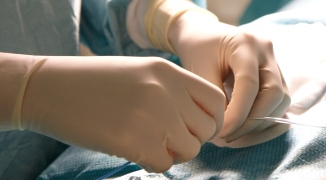
Major surgery is one of the most significant events in a person's life. What happens in the theatre — the quality of the equipment, the training of the team, the standards governing that sterile environment — directly affects what happens in the weeks that follow. Patients choosing a hospital for a complex procedure are not choosing a brand. They are choosing an operating room.
Farrer Park Hospital's Major Surgery Suite on Level 5 is a purpose-built facility designed to support the full spectrum of complex surgical operations. Its theatres are equipped for intra-abdominal surgery, breast surgery, vascular procedures, plastic and reconstructive surgery, urology, gynaecological oncology surgery, and orthopaedic interventions — across both open and minimally invasive approaches.
Each theatre operates with high-definition imaging systems, integrated smart platforms connecting surgical, anaesthesia, and nursing teams, and a perioperative care pathway built around patient safety and recovery. The result is an environment where experienced surgeons can do their best work — and where patients can trust what they cannot see.
Examples of procedures performed include:
Examples of procedures performed include:
Examples of procedures performed include:
Examples of procedures performed include:
Examples of procedures performed include:
Examples of procedures performed include:
Major surgery involves planning, preparation, and a recovery timeline that extends beyond the day of the procedure. Understanding each phase helps patients and families prepare and participate actively in a good outcome.
| Pre-operative Consultation | Your surgeon reviews your imaging, confirms the diagnosis, discusses all treatment options including surgical and non-surgical approaches, and outlines the proposed procedure. Anaesthesia pre-assessment is scheduled. Preparatory instructions — fasting, medication management, bowel preparation where applicable — are provided in writing. |
| Prehabilitation | For patients with planned procedures, the period between surgical booking and the procedure date is used to optimise fitness. Walking programmes, resistance exercise, nutritional optimisation, smoking cessation, and anaemia correction are the primary interventions. This is not optional preparation — it directly affects recovery. |
| Admission | Patients typically admit on the morning of surgery, or the evening before for complex cases. The admissions team at Level 2 processes registration; from there, patients are transferred to the pre-operative holding area near the theatres, where the surgical, anaesthetic, and nursing teams brief the patient and family before proceeding. |
| Surgery | The procedure is performed in the Major Surgery Suite on Level 5. Operating time varies from 90 minutes for straightforward cases to 8 or more hours for complex cancer resections or revision joint surgery. Your family can wait in the hospital's patient lounge and will be updated at key stages of the procedure. |
| Immediate Recovery | The post-anaesthesia care unit (PACU) monitors your vital signs, pain, and emergence from anaesthesia immediately after surgery. High-dependency patients proceed to the ICU or HDU. Most patients are transferred to their inpatient suite within 1–2 hours of procedure completion. |
| Inpatient Recovery | Inpatient suites on levels 7–10 provide private single rooms with ensuite bathrooms. Physiotherapy, dietetic review, wound care, and specialist nursing support are delivered in your room. ERAS protocols begin on the day of surgery where applicable — including early mobilisation, oral fluid introduction, and pain management optimisation. |
| Discharge Planning | Discharge planning begins at admission, not at discharge. Your care coordinator and specialist nurse establish a discharge timeline early, arrange community nursing if required, coordinate any equipment, and provide written discharge instructions covering wound care, activity, medication, and follow-up. |
| Follow-up & Rehabilitation | Post-operative follow-up is scheduled at 1–2 weeks for wound review and initial recovery assessment, then at intervals determined by the procedure and any pathology results. Rehabilitation — physiotherapy, occupational therapy, specialist dietetics — is coordinated through Farrer Park Hospital's Rehabilitation Centre. |
Contact: (65) 6705 2626
Location: Level 5
Operating Hours:
Mon - Fri: 8 a.m. – 8 p.m.
Sat: 8 a.m. – 5 p.m.
Sun & PH: Closed