
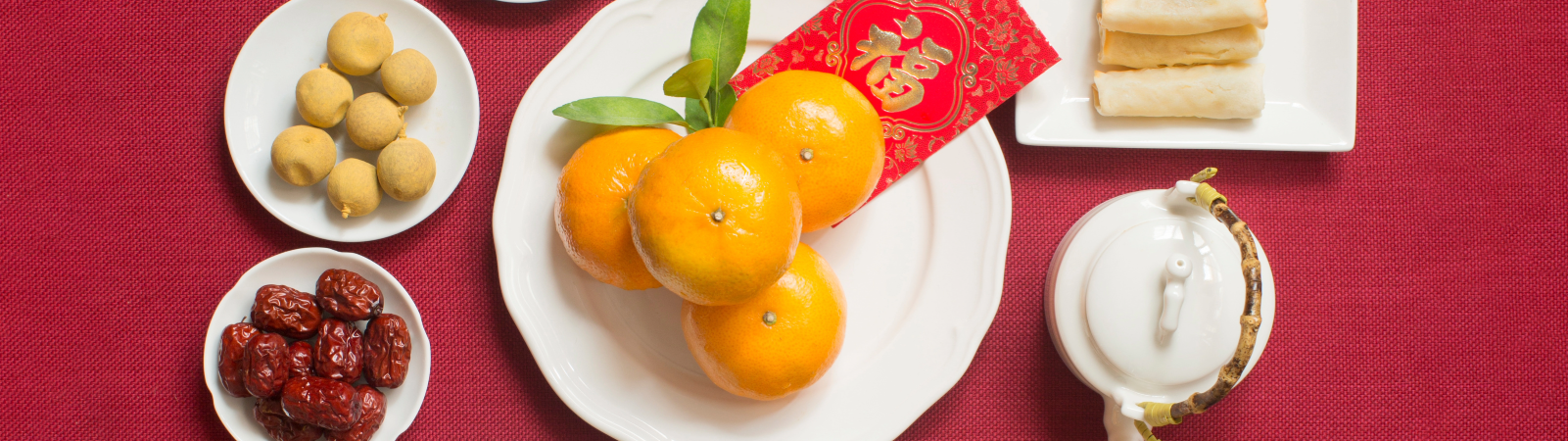
Lunar New Year is a time of celebration, reunion and tradition, bringing families and friends together over an abundance of festive food. From steamy hotpots and elaborate reunion dinners to plates of yusheng and a wide variety of snacks such as pineapple tarts, bak kwa and love letters, food is central to the festivities and a key way families express hospitality and good wishes.
However, with multiple visits, frequent snacking and larger-than-usual meals, it can be challenging to maintain healthy eating habits. Many people find themselves consuming more calories, sugar and fats than usual, which may lead to weight gain, bloating or lethargy. While it may feel difficult, or even discouraging, to think about diet and exercise during the festive season, enjoying Lunar New Year does not mean you have to abandon your health goals altogether.
With some mindful planning and simple strategies, it is possible to enjoy the celebrations while still taking care of your body.
Avoid heading out to house visits on an empty stomach. While it may seem practical to save “stomach space” for the inevitable feasting, arriving hungry can significantly increase the likelihood of overeating and mindless snacking. When hunger sets in, it becomes harder to make mindful food choices, and you may end up consuming larger portions than intended.
“Before heading out, consider having a small, healthy snack such as a serving of fresh fruit, low fat or non fat yogurt, a handful of unflavoured baked or roasted nuts and seeds, a salad with a healthy dressing like olive oil, lime, or balsamic vinegar, a slice of whole grain bread, two to three pieces of oatmeal cookies, or a few steamed dumplings,” suggests Dietitian Ms. Wong Chai Ling. “This helps take the edge off your hunger and allows you to enjoy festive treats in moderation rather than overindulging.”
It is important to remember that Lunar New Year snacks should complement - not replace - regular meals. Maintaining a healthy, balanced diet that includes a variety of foods from all food groups, guided by the Health Promotion Board’s My Healthy Plate, can help ensure stable energy levels throughout the day.
It can be tempting to take a break from exercise during Lunar New Year, but staying active is especially important when you are eating more than usual. Ms. Wong suggests regular physical activity to help burn excess calories, supports heart health and can also relieve stress and improve mood during a busy festive schedule.
“If possible, set aside dedicated time for physical activity during the festive period, and plan ahead for the type of exercise you intend to do and the schedule that works best for you,” she says. “However, if time or motivation is limited, choose more manageable forms of movement that you can realistically maintain.”
This can include housework such as sweeping and mopping the floors or cleaning washrooms and windows, a 30 minute brisk walk around your neighbourhood, choosing the stairs instead of the lift, or taking a longer walking route when running errands - all of which can add up to meaningful daily activity.
You can also incorporate physical activity into your Lunar New Year routines. Play actively with children, park your car further away from your destination, or suggest a family walk after dinner. These small lifestyle changes not only support physical health but also provide meaningful opportunities to connect with loved ones.
Festive snacks are often high in sugar, salt and fats while being low in nutritional value. With trays of goodies laid out in every household, it can be easy to snack continuously throughout the day without realising how much you have consumed.
“Rather than eating everything offered, be selective and mindful of your portions,” Ms. Wong explains. “Choose the snacks you truly enjoy and limit yourself to small servings.”
She adds, “You may also want to pace yourself by drinking plain water, plain tea/ coffee, or homemade unsweetened infused water - made by adding slices of fresh fruit such as citrus fruits, berries, lemon, or grapes, crisp vegetables like cucumber, or fragrant herbs like mint or basil. Having these beverages between snacks may help minimise the chance of mindless eating.”
As a general guide, aim to keep your daily calorie intake within a reasonable range instead of striving for strict restriction. Moderation, rather than deprivation, is key to enjoying the festive season sustainably.
For reference, here is an approximate calorie count for some popular Lunar New Year snacks:
Being aware of calorie content does not mean you must avoid these treats altogether, but it can help you make more informed choices and balance indulgences throughout the day.
Homemade reunion dinners are generally a healthier option, as you have greater control over ingredients, cooking methods and portion sizes. Instead of opting for a lavish buffet or restaurant meal, consider hosting a homemade steamboat or hotpot dinner.
A steamboat meal allows you to include a wide variety of vegetables, which are low in calories and rich in vitamins, minerals and fibre. Fibre helps promote fullness, supports digestion and reduces the likelihood of overeating. Aim to fill at least half your plate with vegetables before adding meats or processed ingredients.
Ms. Wong says, “Generally, popular hotpot vegetable choices include bok choy, Napa cabbage, water spinach, tomatoes, and Enoki or shiitake mushrooms. You may also consider flavouring your soup base with starchy vegetables such as potatoes, lotus root, daikon radish, pumpkin or corn on the cob, instead of using highly seasoned, sodium rich broths. This not only enhances the nutritional value of the meal but also helps keep it lighter and lower in dietary sodium.”
When choosing proteins, opt for lean meats and poultry, seafood, eggs, and tofu products whenever possible, and limit highly processed items such as fish balls, fish cakes, meatballs, sausages, and fried foods. Using simple cooking methods and pairing meals with lighter dipping sauces can also help reduce excess sodium and fat intake.
Lunar New Year is ultimately about togetherness, gratitude and renewal. By making small, conscious choices around food and activity, you can fully enjoy the festive season while supporting your long-term health and well-being.